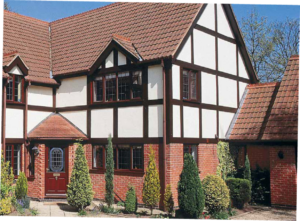
Energy-Efficient Windows: An Overview
In the last few years, the demand for energy-efficient windows has risen, driven by increasing energy costs, increased ecological awareness, and the desire for enhanced comfort in homes and commercial buildings. Energy-efficient windows are developed to minimize energy intake, enhance thermal comfort, and lower greenhouse gas emissions. This extensive guide will explore the features, benefits, and different kinds of energy-efficient windows available in the market.
Comprehending Energy-Efficient Windows
Energy-efficient windows are specially crafted to lessen energy loss while taking full advantage of natural light and aesthetic appeals. They accomplish these objectives through a mix of innovations that boost insulation, reduce air seepage, and reflect or take in solar heat.
Secret Components of Energy-Efficient Windows:
Frame Materials: The material of the window frame substantially affects its energy performance. Common products consist of:
- Vinyl: Excellent thermal performance and low upkeep.
- Wood: Natural insulator but requires routine upkeep.
- Aluminum: Durable however less efficient unless thermally broken.
- Fiberglass: High resilience and energy performance, often used in high-end applications.
Glazing: The kind of glazing (or glass) used is a crucial factor:
- Single Glazing: Least efficient; allows significant heat transfer.
- Double Glazing: Two panes of glass with a space between, considerably enhancing insulation.
- Triple Glazing: Three panes of glass; provides the very best performance but at a higher expense.
- Low-E Coatings: Low-emissivity finishes are thin layers applied to glass that show heat back into a structure throughout winter season while deflecting solar heat in summer. This function can significantly minimize cooling and heating expenses.
- Gas Fills: Argon or krypton gas is typically utilized to fill the spaces in between the panes of double and triple-glazed windows, offering it with additional insulation properties.
- Warm Edge Spacers: These are materials used to separate the panes of glass. double glazing installation review -edge spacers help in reducing thermal bridging and improve overall window performance.
Advantages of Energy-Efficient Windows
The benefits of installing energy-efficient windows in a structure are significant, both financially and environmentally.
Economic Benefits:
- Lower Energy Bills: By lowering the amount of heat lost throughout winter and heat gained in summertime, energy-efficient windows can cause substantial cost savings in cooling and heating costs.
- Increased Property Value: Homes with energy-efficient upgrades may have a greater resale worth. Many buyers actively look for energy-efficient functions.
- Tax Credits and Rebates: Many areas provide monetary incentives for homeowners who upgrade to energy-efficient windows, making them more economical.
Ecological Benefits:
- Reduced Carbon Footprint: By reducing energy usage, energy-efficient windows add to a reduction in greenhouse gas emissions.
- Improved Indoor Air Quality: Better insulated homes often show a decline in drafts and moisture issues, which can result in much healthier living environments.
Convenience Benefits:
- Consistent Indoor Temperature: Energy-efficient windows assist preserve a steadier indoor temperature, decreasing cold spots near windows and eliminating getting too hot.
- UV Protection: Many energy-efficient windows can block harmful UV rays, securing furniture and floor covering from fading.
Kinds Of Energy-Efficient Windows
Selecting the best type of energy-efficient window will depend upon different aspects such as environment, building style, and budget plan. Below are some frequently utilized types:
| Window Type | Description | Best For |
|---|---|---|
| Casement Windows | Hinged on one side, these windows open outwards, providing excellent ventilation and airtightness. | Locations requiring great airflow |
| Double-Hung Windows | Features two operable sashes that move up and down. They enable for flexible ventilation and are simple to clean. | Traditional-style homes |
| Sliding Windows | These windows slide open horizontally, making them easy to run and perfect for those who have actually limited space. | Areas with limited space |
| Image Windows | Fixed windows that do not open, maximizing views and natural light, frequently paired with adjustable windows for ventilation. | Living spaces, dining areas |
| Bay and Bow Windows | Prolonged windows that create a shelf or nook, including architectural appeal and increased sunshine. | Household spaces, breakfast nooks |
Choosing the Right Energy-Efficient Window
When selecting energy-efficient windows, homeowners should consider the list below factors:
- Local Climate: Different areas have different climate requirements. For example, homes in the northern U.S. may gain from windows that retain heat, whereas southern homes may require windows that show heat.
- Window Orientation: The instructions that windows face can affect energy effectiveness. South-facing windows might take advantage of solar heat gain in winter, while north-facing windows may require more insulation.
- Efficiency Ratings: Look for windows with a great Energy Star score, which certifies them as efficient in providing energy performance.
Frequently Asked Questions (FAQs)
- What is the distinction in between energy-efficient and standard windows?Energy-efficient windows are designed with special products and technologies that improve insulation and lower energy loss, whereas standard windows may do not have these features, leading to higher energy intake.
- How can I tell if my windows are energy-efficient?Try to find indications such as Low-E coatings, several panes of glass (double or triple glazing), and an excellent energy efficiency rating (like Energy Star).
- Are energy-efficient windows worth the financial investment?Yes, while they may have a greater in advance cost, energy-efficient windows typically conserve homeowners money on energy bills and decrease carbon emissions over time.
- Can I install energy-efficient windows myself?While some house owners might tackle window setup as a DIY project, professional installation is typically suggested to make sure correct sealing and insulation.
- For how long will energy-efficient windows last?With proper maintenance, energy-efficient windows can last 20 to 30 years, making them a long-term financial investment for your home.
Energy-efficient windows offer various advantages, including lower energy expenses, boosted convenience, and reduced environmental impact. By comprehending their functions, advantages, and the numerous types readily available, property owners can make informed decisions that contribute not just to their own convenience but likewise to a more sustainable future. Investing in energy-efficient windows is not simply a smart choice for your wallet; it is a significant action towards developing a greener and more efficient global environment.